
Table of Contents
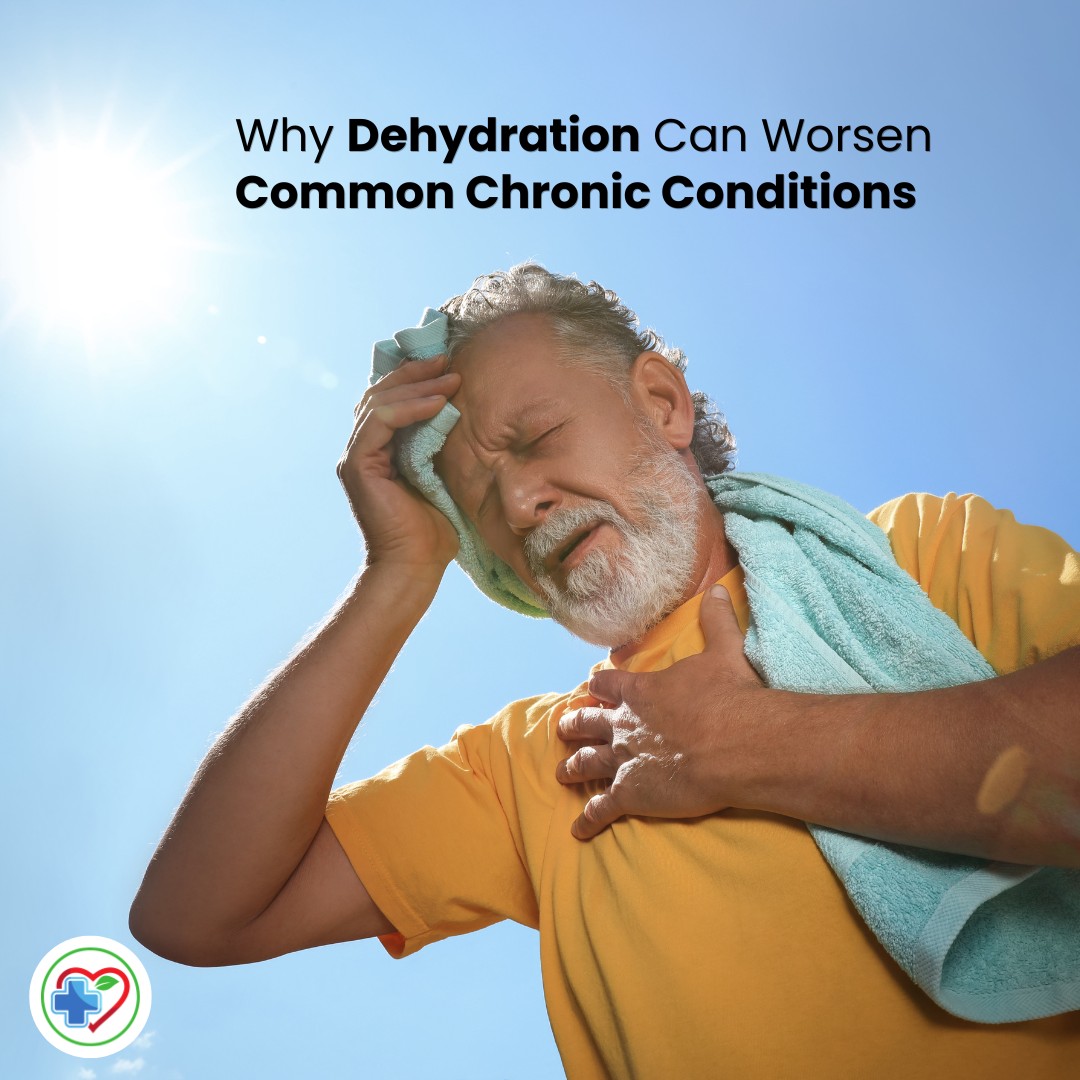
ToggleDehydration can affect far more than your thirst. When your body loses more fluid than it replaces, blood volume, circulation, temperature control, digestion, kidney function, and electrolyte balance may all be affected.
For someone living with a chronic condition, these changes can make existing symptoms harder to manage and may increase the risk of complications. Recognising dehydration early is an important part of protecting your everyday health.
Understanding Dehydration and Its Warning Signs
Dehydration develops when your body loses more water than you take in. Water is essential for carrying nutrients, removing waste, regulating body temperature, supporting circulation, lubricating joints, and helping organs function properly.
Fluid is lost every day through urine, breathing, bowel movements, and sweat. Losses increase during hot weather, physical activity, fever, vomiting, or diarrhoea. Certain medicines, including diuretics, can increase urination and raise the risk.
Early symptoms may be easy to overlook. Common warning signs include:
- Thirst
- A dry or sticky mouth
- Dark yellow urine
- Urinating less frequently
- Headache
- Tiredness
- Dizziness or light-headedness
- Dry skin
- Muscle cramps
- Difficulty concentrating
More serious dehydration can cause confusion, fainting, a rapid heartbeat, very low urine output, marked weakness, or an inability to keep fluids down. These symptoms require prompt medical attention.
Older adults may not feel thirst as strongly as younger people. Someone with reduced mobility, memory difficulties, poor appetite, or swallowing problems may also struggle to drink enough. People living with chronic illness should therefore pay attention to urine colour, fluid losses, and changes in their usual symptoms instead of relying on thirst alone.
Dehydration and Diabetes
Diabetes and dehydration can create a harmful cycle. When blood glucose rises above a certain level, the kidneys try to remove some of the excess glucose through urine. This can lead to frequent urination and increased fluid loss. As the body loses water, glucose in the bloodstream becomes more concentrated, which can make high blood glucose harder to correct.
Possible signs include increased thirst, frequent urination, fatigue, blurred vision, headache, and a dry mouth. These symptoms can be mistaken for ordinary dehydration, yet they may indicate poorly controlled diabetes.
Illness can increase the risk. Fever, vomiting, or diarrhoea causes additional fluid loss, while infection and physical stress can raise blood glucose. A person who cannot drink normally may deteriorate quickly.
People with diabetes should follow their personal sick-day plan, monitor blood glucose as advised, and know when ketone testing is needed. Medical advice is important if glucose remains very high, vomiting continues, fluids cannot be retained, breathing changes, confusion develops, or severe weakness occurs.
Sugary cooldrinks and energy drinks are usually poor choices for routine hydration because they can add a large amount of glucose. Water is often the best everyday option, unless a healthcare professional has recommended another fluid or an oral rehydration solution for a specific situation.
Dehydration, Blood Pressure and Heart Conditions
Dehydration reduces the amount of fluid circulating in the bloodstream. The body may respond by narrowing blood vessels and increasing the heart rate to maintain blood flow to important organs. This can lead to dizziness, weakness, palpitations, or a drop in blood pressure, particularly when standing up.
For someone who already has high blood pressure or heart disease, fluid balance can be complicated. Medicines such as diuretics help the body remove excess salt and water, but fluid losses from heat, vomiting, diarrhoea, or poor intake can become excessive. Blood pressure may fall too low, kidney function may worsen, and electrolyte levels may become disturbed.
Drinking excessive amounts of water can also be dangerous for some people with heart failure. A weakened heart may struggle when the body retains too much fluid, leading to swelling or breathlessness. This means general advice to “drink as much water as possible” is not appropriate for everyone.
Follow the fluid target provided by your doctor if you have heart failure, kidney disease, troublesome swelling, or a prescribed fluid restriction. Contact your doctor if you notice new dizziness, fainting, rapid weight changes, worsening swelling, reduced urination, or increased shortness of breath.

Dehydration and Kidney Disease
The kidneys need adequate blood flow to filter waste and maintain the correct balance of water, salts, and minerals. Dehydration reduces circulation to the kidneys and can temporarily lower kidney function. Severe dehydration may contribute to acute kidney injury, particularly in older adults and people who already have kidney disease, diabetes, or heart problems.
Concentrated urine can also increase the likelihood of some kidney stones because stone-forming substances are less diluted. People with a history of kidney stones are often advised to maintain steady fluid intake, although the right amount depends on their health and the type of stone.
Several medicines can place extra strain on the kidneys during dehydration. These may include certain anti-inflammatory painkillers, blood pressure medicines, diuretics, and some diabetes treatments. Never stop prescribed medication without professional advice. Ask Dr Jolandi Meyer for a sick-day plan if you take regular medication and are at risk of becoming dehydrated during illness.
People with advanced chronic kidney disease may need to limit fluids because damaged kidneys cannot remove excess water efficiently. Personal medical guidance is essential. A hydration target that is suitable for a healthy adult may be unsafe for someone with reduced kidney function.
Dehydration, Gout and High Uric Acid
Gout occurs when uric acid crystals collect in and around a joint, causing sudden pain, swelling, warmth, and tenderness. Dehydration reduces the amount of water available to dilute substances in the blood and urine. This may contribute to a gout flare in someone who is already susceptible.
Hot weather, heavy sweating, alcohol intake, fasting, illness, and poor fluid intake can increase dehydration risk. These factors may occur together during travel, outdoor work, exercise, or social events.
Maintaining appropriate hydration supports kidney removal of uric acid, but water alone does not cure gout. Repeated attacks may require medication to lower uric acid and protect the joints. Diet, kidney function, body weight, genetics, alcohol use, and certain medicines may also influence the condition.
Speak to Dr Meyer if you experience sudden severe joint pain, particularly in the big toe, ankle, knee, wrist, or fingers. A hot, swollen joint accompanied by fever or feeling very unwell needs urgent assessment because a joint infection can resemble gout.
Dehydration, Arthritis and Muscle Problems
Water supports the normal function of joints, muscles, and connective tissues. Dehydration does not directly cause most forms of arthritis, but it may make fatigue, headaches, muscle cramps, and feelings of stiffness more noticeable. These symptoms can make movement less comfortable for someone who already has chronic joint pain.
Reduced fluid levels can disturb the balance of electrolytes involved in muscle and nerve function. Heavy sweating without adequate replacement may contribute to cramps, weakness, or reduced exercise tolerance.
Pain can indirectly increase dehydration risk. A person with limited mobility may avoid walking to the kitchen or bathroom. Someone with painful hands may find bottles and taps difficult to use. Certain pain medicines can also affect kidney function, especially when taken during significant dehydration.
Practical changes can help. Keep water within easy reach, use a lightweight bottle, drink regularly with meals and medication, and ask for assistance when mobility is limited. New muscle weakness, persistent cramping, severe dizziness, or reduced urine output should be medically assessed rather than blamed on arthritis.

Dehydration and Chronic Respiratory Conditions
Adequate fluid supports the moisture of the mouth, throat, and airways. When you are dehydrated, mucus may become thicker and more difficult to clear. This can add to discomfort for people living with asthma, chronic bronchitis, or chronic obstructive pulmonary disease.
Breathing quickly during a flare or respiratory infection can increase water loss through exhaled air. Fever and sweating add further losses. A reduced appetite may also mean the person drinks less than usual.
Hydration does not replace inhalers, antibiotics when clinically required, oxygen, or other prescribed respiratory treatment. Drinking extra water will not stop a serious asthma attack. Follow your action plan and use prescribed medicine as directed.
Seek urgent help for severe breathlessness, difficulty speaking, blue or grey lips, confusion, chest pain, fainting, or symptoms that do not improve after rescue treatment. A person with heart failure must follow personalised fluid advice because excessive intake may worsen fluid accumulation in the lungs.
Dehydration and Digestive Conditions
The digestive system needs fluid to help move food and waste through the bowel. Low fluid intake can contribute to hard, dry stools and may worsen constipation. This can be especially troublesome for older adults, people with irritable bowel syndrome, and anyone taking medicines that slow the bowel.
Vomiting and diarrhoea can cause rapid losses of water and electrolytes. People with a chronic digestive condition may face repeated episodes and need a clear plan for replacing fluids safely. Small, frequent sips may be easier to tolerate than a large glass at once.
An oral rehydration solution can be useful when significant fluid and salt have been lost. It contains a measured balance of water, glucose, and electrolytes. Sports drinks, fruit juice, and cooldrinks do not provide the same formulation and may worsen diarrhoea in some cases.
Medical advice is needed when vomiting persists, diarrhoea is severe, blood appears in the stool, abdominal pain is intense, urine output drops, or signs of confusion develop. People with diabetes, kidney disease, or heart conditions should seek guidance early because fluid replacement may need to be adjusted.
How to Hydrate Safely When You Have a Chronic Condition
There is no single fluid target that suits every person. Your needs depend on body size, weather, activity, diet, pregnancy, age, medication, kidney function, and heart health. A personalised recommendation is safer than forcing yourself to meet an arbitrary number.
Helpful everyday habits include:
- Drink at regular intervals instead of waiting for intense thirst
- Keep water visible and easy to reach
- Take a bottle when travelling or working outdoors
- Increase attention to hydration during hot Pretoria weather
- Drink before, during, and after physical activity as appropriate
- Include water-rich foods such as fruit, vegetables, soups, and yoghurt
- Limit excessive alcohol
- Be cautious with high-sugar drinks
- Monitor urine colour, frequency, and volume
- Follow prescribed fluid restrictions carefully
Pale yellow urine often suggests reasonable hydration, although medicines, vitamins, foods, and medical conditions can alter urine colour. Completely clear urine throughout the day is not a goal and may indicate excessive intake.
Do not rapidly drink several litres of water to “catch up”. Excess water can dilute sodium in the blood, which can become dangerous. People who sweat heavily for long periods may need electrolytes as well as water, but the correct approach depends on the situation.
Ask your doctor what to do during fever, vomiting, diarrhoea, a heatwave, or reduced appetite. Your plan should explain how to monitor symptoms, which fluids are suitable, when medicines need professional review, and when urgent care is necessary.
How Dr Jolandi Meyer Can Help
Dr Jolandi Meyer is a GP in Pretoria who can assess dehydration risk in the context of your complete health picture. This is particularly important when you live with diabetes, high blood pressure, heart disease, kidney problems, gout, arthritis, or a chronic respiratory or digestive condition.
During a consultation, Dr Meyer can review your symptoms, medical history, daily fluid intake, recent illness, working environment, and medicines. Blood tests or urine tests may be recommended to check kidney function, glucose levels, electrolytes, and other possible causes of thirst, dizziness, fatigue, or changes in urination.
Dr Meyer can help you develop a practical hydration plan that considers Pretoria’s climate and your individual medical needs. If you take medicines that influence fluid balance or kidney function, she can explain what to watch for during illness and when to request medical advice. Any medication change should take place under professional supervision.
She can also identify symptoms that may seem related to dehydration but require further investigation. Persistent thirst and frequent urination may point to diabetes. Dizziness could relate to blood pressure, anaemia, medication, or another condition. Swelling and breathlessness may indicate fluid retention rather than a need for more water.
Book an appointment with Dr Jolandi Meyer if dehydration keeps returning, your chronic condition becomes harder to control during hot weather, or you are unsure how much fluid is safe for you.

Dehydration can place added strain on a body that is already managing a chronic condition. It may disrupt blood glucose, blood pressure, kidney function, digestion, muscle function, and the clearance of mucus or uric acid. Prevention begins with recognising your personal risks and responding to early warning signs.
Fluid needs can differ considerably, especially with heart or kidney disease. Dr Jolandi Meyer can help you create a safe, personalised hydration plan that supports your treatment and protects your health.

Common Ailments Treated by Dr. Jolandi Meyer
Dr. Jolandi Meyer’s expertise and comprehensive treatment options make her an exceptional General Practitioner for addressing all ailments. She provides personalised care, empowering patients to achieve optimal health. Her compassionate approach ensures patients receive the highest quality treatment. Her practice is located in Garsfontein, Pretoria on the same premises as The Way Recovery Centre.
With her support and guidance, patients can embark on a journey towards improved well-being and a healthier, happier life.
Contact Details:
Table of Contents
Toggle