

Table of Contents
ToggleFood sensitivity and food allergy are often mistaken for the same problem, yet they affect the body in different ways. One may cause uncomfortable digestive symptoms several hours after eating, while the other can trigger a rapid and potentially life-threatening immune reaction.
Knowing the difference can help you respond safely, avoid unnecessary food restrictions, and seek appropriate medical care. If certain foods repeatedly make you feel unwell, a proper assessment can help identify the cause and guide a practical approach to managing your symptoms.
Understanding the Difference Between Food Sensitivity and Food Allergy
A food allergy involves the immune system. The body mistakenly identifies a normally harmless food protein as a threat and releases chemicals that cause an allergic reaction. Symptoms may develop within minutes, although some reactions take longer to appear.
A food sensitivity is a broader term used to describe unpleasant symptoms that develop after eating a particular food or ingredient. It does not usually involve the immediate immune response associated with a food allergy. The symptoms are often related to digestion, food chemicals, enzyme deficiencies, or the amount of food consumed.
The main differences include:
- A food allergy involves an immune reaction
- A food sensitivity often affects digestion or general comfort
- A tiny amount of an allergen may cause a severe reaction
- A person with food sensitivity may tolerate a small portion
- Food allergy symptoms often appear quickly
- Food sensitivity symptoms may take several hours to develop
- A food allergy can become life-threatening
- Food sensitivity is usually uncomfortable rather than immediately dangerous
These differences matter because the correct response depends on the underlying cause. Avoiding a food without confirming the reason may lead to unnecessary dietary restrictions, while underestimating an allergy can place your health at serious risk.
What Happens During a Food Allergy?
When someone has a food allergy, the immune system reacts to a protein in the food. In many immediate food allergies, the body produces an antibody called immunoglobulin E, commonly known as IgE.
After exposure to the allergen, IgE antibodies signal certain immune cells to release histamine and other chemicals. These substances cause the symptoms of an allergic reaction.
Common food allergens include:
- Peanuts
- Tree nuts
- Cow’s milk
- Eggs
- Fish
- Shellfish
- Wheat
- Soya
- Sesame seeds
A food allergy can develop during childhood or adulthood. Some childhood allergies may improve over time, particularly allergies to milk or eggs. Allergies involving peanuts, tree nuts, fish, or shellfish may be more likely to continue.
The severity of previous reactions does not always predict what will happen during the next exposure. A person who previously experienced mild symptoms could have a more serious reaction in the future. Anyone with a suspected food allergy should receive medical guidance instead of testing the food again at home.
Recognising Food Allergy Symptoms
Food allergy symptoms commonly begin within a few minutes to two hours after eating. Reactions may affect the skin, digestive system, breathing, circulation, or several areas of the body at once.
Possible symptoms include:
- Itchy skin
- Hives or a raised rash
- Redness or flushing
- Swelling of the lips, face, tongue, or throat
- Tingling or itching inside the mouth
- Stomach cramps
- Nausea or vomiting
- Diarrhoea
- Coughing
- Wheezing
- Shortness of breath
- A hoarse voice
- Difficulty swallowing
- Dizziness or fainting
Anaphylaxis is a severe allergic reaction that can develop rapidly. Warning signs may include difficulty breathing, throat swelling, a sudden drop in blood pressure, confusion, collapse, or symptoms affecting several body systems.
Anaphylaxis is a medical emergency. If a person has been prescribed an adrenaline auto-injector, it should be used immediately according to their emergency plan. Emergency medical assistance must also be requested. Antihistamines do not replace adrenaline when anaphylaxis is suspected.
A person should receive urgent medical care after using an adrenaline auto-injector, even if the symptoms begin to improve. A second wave of symptoms can sometimes occur after the initial reaction has settled.
What Causes Food Sensitivity?
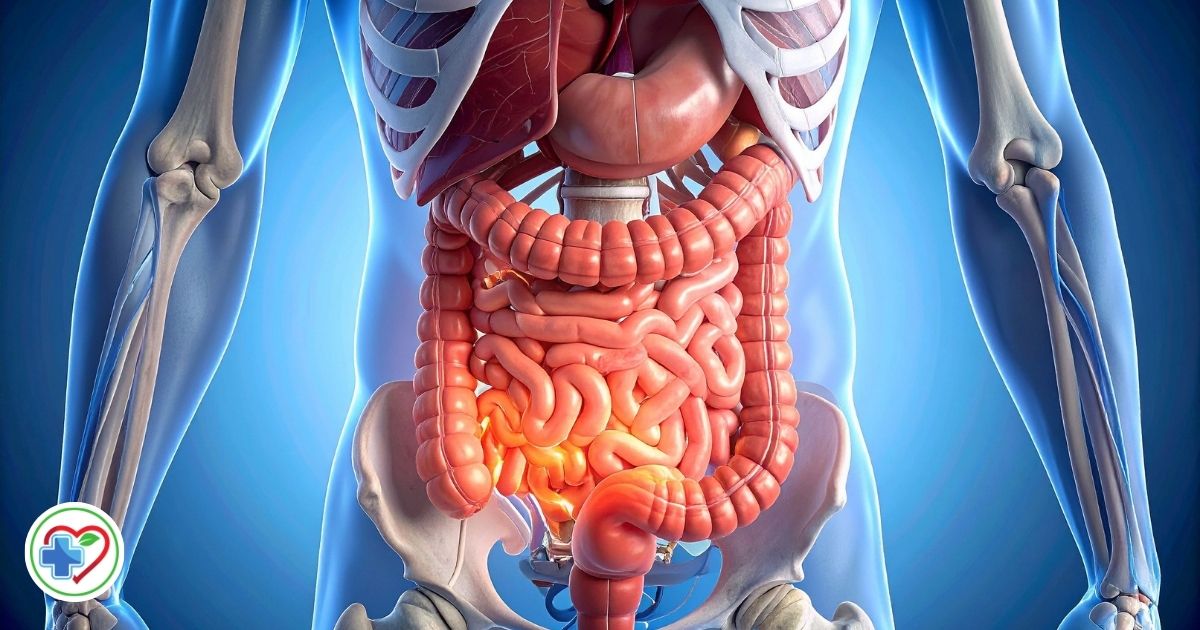
Food sensitivity can have several possible causes. In some cases, the digestive system cannot process a particular component of food efficiently. In other cases, naturally occurring food chemicals or additives may trigger symptoms.
One common example is lactose intolerance. Lactose is the natural sugar found in milk. The small intestine produces an enzyme called lactase, which helps break lactose down. When lactase levels are low, undigested lactose travels into the large intestine, where bacteria ferment it. This can cause wind, bloating, cramps, and diarrhoea.
Other possible causes of food sensitivity include:
- Sensitivity to caffeine
- Difficulty digesting certain fermentable carbohydrates
- Reactions to alcohol
- Sensitivity to food additives
- Reactions to naturally occurring food chemicals
- Difficulty digesting large, fatty meals
- Irritable bowel syndrome
- Coeliac disease or another digestive condition
- Medication effects
- Changes in the gut after an infection
Coeliac disease is not a simple food sensitivity. It is an autoimmune condition in which gluten causes the immune system to damage the lining of the small intestine. It requires proper testing and lifelong medical management.
People who suspect gluten is causing symptoms should speak to a doctor before removing it from their diet. Coeliac disease tests are more reliable while gluten is still being eaten. Starting a gluten-free diet before testing can make diagnosis more difficult.
Common Symptoms of Food Sensitivity
Food sensitivity symptoms often involve the digestive system. They may develop a few hours after eating, which can make it difficult to identify the responsible food.
Common symptoms include:
- Abdominal bloating
- Excessive wind
- Stomach cramps
- Diarrhoea
- Constipation
- Nausea
- Indigestion
- Reflux
- Headaches
- Fatigue
- A general feeling of discomfort
Symptoms can depend on the amount consumed. Someone with lactose intolerance, for example, may tolerate a small amount of milk in tea but develop symptoms after drinking a large milkshake.
Food sensitivity can also appear inconsistent because serving size, meal composition, stress, sleep, medication, alcohol, hormonal changes, and existing digestive conditions may influence symptoms.
Many food sensitivity symptoms are non-specific. Bloating, fatigue, abdominal pain, and changes in bowel habits may have causes unrelated to food. Possible explanations include irritable bowel syndrome, constipation, thyroid disease, diabetes, anxiety, infection, medication side effects, inflammatory bowel disease, or another medical condition.
Persistent symptoms should be assessed instead of being blamed on a growing list of foods. Removing numerous foods may hide the pattern without addressing the real cause.
Why Self-Diagnosis Can Be Misleading
Trying to identify a food sensitivity through online symptom lists can be frustrating. Many foods contain several ingredients, and symptoms may not appear until much later. The food eaten immediately before the symptoms is not always responsible.
Commercial food sensitivity tests may promise quick answers, but some measure IgG antibodies against foods. The presence of food-specific IgG often reflects normal exposure to that food and does not necessarily prove that it is causing symptoms.
An inaccurate test result may encourage someone to remove nutritious foods unnecessarily. Extensive restriction can lead to:
- Nutritional deficiencies
- Unintentional weight loss
- Anxiety around eating
- Difficulty eating socially
- Increased food costs
- Inadequate protein intake
- Low calcium intake
- Reduced dietary fibre
- A less varied gut microbiome
Children, older adults, pregnant women, and people with existing health conditions may face a greater risk when major food groups are removed without supervision.
Self-diagnosis can also delay investigation of a medical condition. Repeated diarrhoea, unexplained weight loss, blood in the stool, anaemia, severe abdominal pain, or persistent vomiting should not be managed through trial-and-error food avoidance alone.
A structured medical assessment provides a safer starting point. It helps distinguish an allergy, intolerance, digestive disorder, medication effect, or unrelated medical problem.

How Food Allergies and Sensitivities Are Diagnosed
Diagnosis begins with a detailed medical history. Dr Jolandi Meyer may ask what was eaten, how much was consumed, how quickly symptoms started, how long they lasted, and whether the same reaction has happened before.
She may also ask about:
- Previous allergic reactions
- Asthma, eczema, or hay fever
- Family history of allergic conditions
- Digestive symptoms
- Current medication
- Recent infections
- Weight changes
- Foods already removed from the diet
- The use of supplements
- How symptoms affect daily life
When a food allergy is suspected, investigations may include a skin-prick test or a blood test that measures specific IgE antibodies. These results must be interpreted alongside the medical history. A positive result can show sensitisation, but it does not automatically confirm that eating the food causes symptoms.
A supervised oral food challenge may sometimes be recommended by an allergy specialist. During this test, carefully measured amounts of the suspected food are given in a controlled medical environment. This type of test should never be attempted at home when an allergy is possible.
Food sensitivity does not usually have one simple blood test. Depending on the symptoms, assessment may involve:
- A food and symptom diary
- Blood tests
- Coeliac disease screening
- Tests for nutritional deficiencies
- Stool tests
- Lactose intolerance assessment
- A medically guided elimination and reintroduction plan
- Referral to a dietitian
- Referral to an allergist or gastroenterologist
The aim is to identify a reproducible connection between a food and the symptoms while excluding other medical causes.
Managing Food Sensitivity Safely
The management of food sensitivity depends on its cause. Some people only need to reduce the portion size or frequency of a particular food. Others may need a temporary elimination plan followed by careful reintroduction.
A food and symptom diary can help reveal patterns. Useful details to record include:
- Foods and drinks consumed
- Portion sizes
- Meal times
- When symptoms began
- The type and severity of symptoms
- Medication and supplements
- Stress levels
- Exercise
- Bowel movements
- Menstrual cycle changes, where relevant
A diary should be used to guide an assessment, rather than to prove that every symptom came from food.
When an elimination diet is recommended, it should have a clear purpose and time frame. The suspected food is removed for a limited period, then reintroduced carefully to see whether symptoms return. Long-term restriction without reintroduction may leave the diagnosis uncertain.
Suitable alternatives should replace the nutrients lost when a food is removed. Someone avoiding cow’s milk may need another source of calcium, vitamin D, protein, and vitamin B12. A person reducing wheat may need other fibre-rich grains or starches.
The goal is to create the least restrictive diet that controls symptoms. Food should remain nourishing, varied, affordable, and enjoyable.
Living Safely With a Confirmed Food Allergy
Managing a food allergy requires strict avoidance of the confirmed allergen. Even a small amount can cause a reaction in some people.
Food labels should be checked every time a product is purchased because ingredients and manufacturing processes can change. Ask questions when eating at restaurants, ordering takeaways, attending functions, or accepting food prepared by someone else.
Cross-contact occurs when an allergen is accidentally transferred to another food. This can happen through shared utensils, chopping boards, cooking oil, storage containers, work surfaces, or serving equipment.
A food allergy management plan may include:
- Learning every name used for the allergen
- Reading ingredient labels carefully
- Preventing cross-contact at home
- Informing restaurants and food providers
- Teaching family members how to respond
- Keeping prescribed emergency medication accessible
- Checking the expiry date of emergency medication
- Wearing medical identification when advised
- Giving schools or caregivers a written action plan
- Attending follow-up appointments
People prescribed adrenaline auto-injectors should know when and how to use them. Family members, colleagues, teachers, and caregivers may also need training.
Avoidance should focus on the confirmed allergen. Removing additional foods without medical reason can create unnecessary nutritional and practical difficulties.
How Dr Jolandi Meyer Can Help
Dr Jolandi Meyer is a GP in Pretoria who can assess symptoms that may be related to food sensitivity or food allergy. Her role is to look at the complete clinical picture instead of focusing on one symptom or test result.
During your consultation, Dr Meyer can review your reactions, diet, medical history, medication, digestive health, and family history. She can help determine whether the pattern suggests an immediate allergy, food intolerance, coeliac disease, irritable bowel syndrome, or another condition requiring investigation.
Appropriate testing may include blood tests, coeliac disease screening, nutritional assessments, or tests for other possible causes of digestive symptoms. If a food allergy is suspected, Dr Meyer can arrange referral to an allergist for specialised testing and guidance. A gastroenterology referral may be recommended for persistent or concerning digestive problems.
Dr Meyer can also help you understand which symptoms require urgent attention. Sudden swelling, wheezing, breathing difficulty, throat tightness, fainting, or a rapidly worsening reaction needs emergency care.
Book an appointment if:
- A food repeatedly causes symptoms
- You are unsure whether you have an allergy or sensitivity
- You have removed several foods without improvement
- Digestive symptoms keep returning
- You are losing weight unintentionally
- You are concerned about nutritional deficiencies
- Your child is reacting to food
- You have experienced swelling, hives, wheezing, or breathing difficulty
With an accurate diagnosis, you can avoid the foods that genuinely cause problems while continuing to enjoy a balanced and varied diet.

Food sensitivity and food allergy can cause overlapping symptoms, but they require different approaches. A food allergy involves the immune system and may become life-threatening, while a food sensitivity more commonly causes digestive or general discomfort. Guesswork, restrictive diets, and unreliable testing can create further problems or delay the correct diagnosis. If food repeatedly makes you unwell, consult Dr Jolandi Meyer in Pretoria. A thorough assessment can clarify the cause, guide safe testing, protect your nutrition, and help you manage your symptoms with confidence.

Common Ailments Treated by Dr. Jolandi Meyer
Dr. Jolandi Meyer’s expertise and comprehensive treatment options make her an exceptional General Practitioner for addressing all ailments. She provides personalised care, empowering patients to achieve optimal health. Her compassionate approach ensures patients receive the highest quality treatment. Her practice is located in Garsfontein, Pretoria on the same premises as The Way Recovery Centre.
With her support and guidance, patients can embark on a journey towards improved well-being and a healthier, happier life.
Contact Details:
Table of Contents
Toggle