
Table of Contents
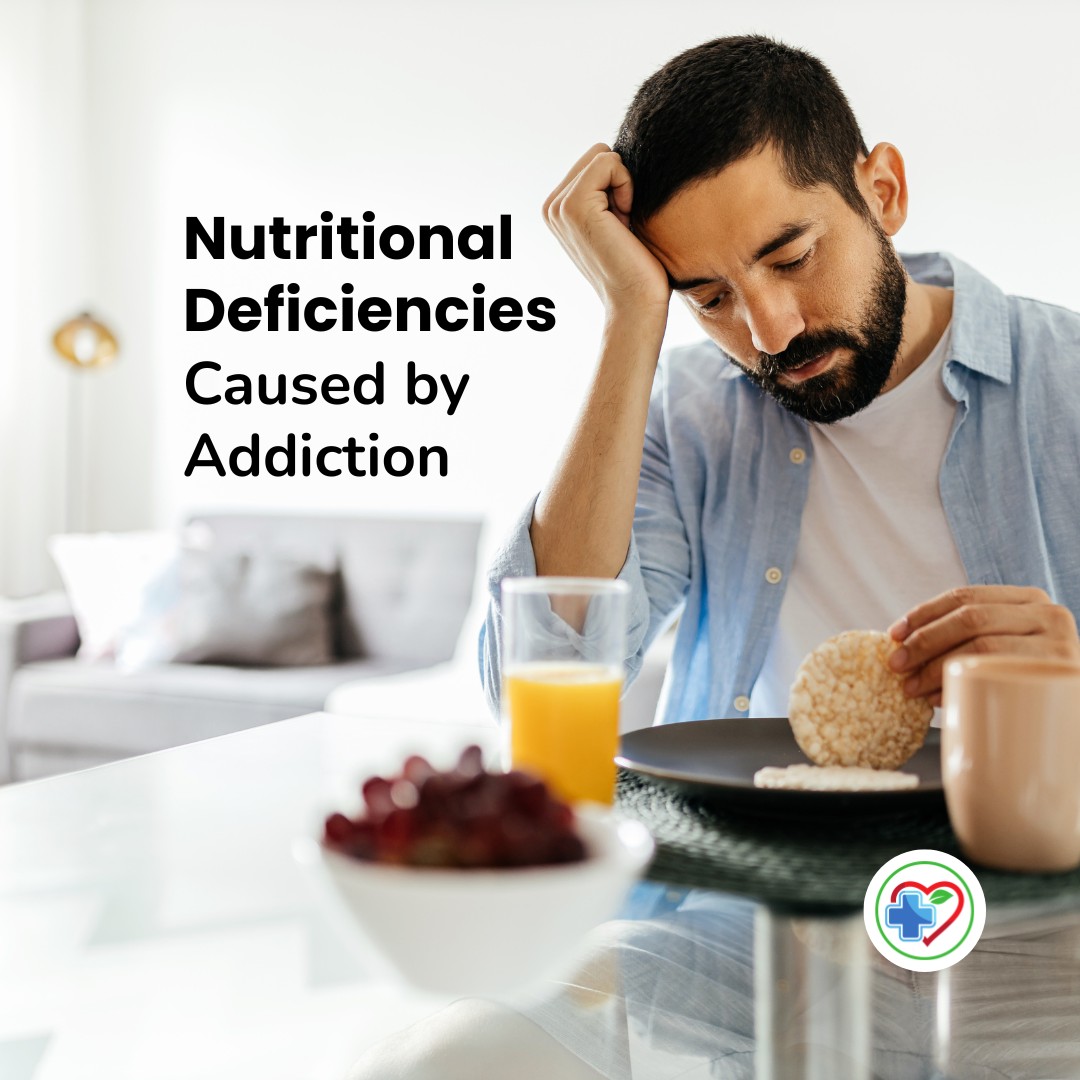
ToggleAddiction affects far more than a person’s behaviour, relationships, finances, and mental health. One of the most overlooked consequences is the nutritional deficiencies caused by addiction. Whether someone struggles with alcohol addiction, drug addiction, or gambling addiction that leads to poor self-care habits, the body often suffers from significant nutritional deficiencies that can affect recovery, physical health, and overall well-being.
Many people entering treatment are surprised to learn that years of substance abuse may have depleted their bodies of essential vitamins, minerals, proteins, and other nutrients. In many cases, these deficiencies contribute to fatigue, mood swings, poor concentration, weakened immunity, digestive problems, and slower healing.
At Dr Jolandi Meyer’s practice in Pretoria, located on the premises of The Way Recovery Centre, nutritional health forms an important part of addiction recovery. Understanding how addiction affects the body’s nutritional status can help individuals appreciate the importance of comprehensive treatment and long-term recovery support.
Why Nutrition Matters During Addiction Recovery
The human body requires a steady supply of nutrients to function properly. Every organ, tissue, muscle, nerve, and chemical process depends on adequate nutrition.
When addiction develops, nutrition often becomes a low priority. People may skip meals, eat unhealthy foods, experience digestive issues, or suffer from reduced nutrient absorption. Over time, the body begins to operate in a state of deficiency.
Proper nutrition plays a critical role in recovery because it helps:
- Restore physical health
- Improve energy levels
- Support brain function
- Stabilise mood
- Strengthen the immune system
- Promote better sleep
- Reduce cravings
- Support organ repair
Without addressing nutritional deficiencies, recovery can become more challenging and uncomfortable.
How Addiction Causes Nutritional Deficiencies
There are several ways addiction contributes to poor nutrition.
Firstly, substances often suppress appetite. Individuals may go for long periods without eating properly.
Secondly, many substances interfere with digestion and nutrient absorption. Even when a person eats, their body may struggle to absorb essential nutrients.
Thirdly, addiction can damage organs responsible for processing and storing nutrients, including the liver, pancreas, stomach, and intestines.
Finally, addiction often leads to poor lifestyle choices. Fast food, sugary snacks, irregular meals, dehydration, and inadequate self-care frequently become part of daily life.
The longer addiction continues, the greater the risk of significant nutritional depletion.
Alcohol Addiction and Nutritional Deficiencies
Alcohol addiction is one of the leading causes of severe nutritional deficiencies.
Alcohol contains calories but provides virtually no nutritional value. Heavy drinkers often replace food with alcohol, resulting in poor dietary intake.
Alcohol also damages the digestive tract and interferes with nutrient absorption. Additionally, it increases the body’s excretion of certain vitamins and minerals.
Common deficiencies associated with alcohol addiction include:
- Vitamin B1 (Thiamine)
- Vitamin B6
- Vitamin B12
- Folate
- Magnesium
- Zinc
- Iron
- Vitamin D
These deficiencies can lead to serious complications affecting the brain, nervous system, muscles, and cardiovascular health.
Thiamine Deficiency and Brain Health
One of the most dangerous deficiencies associated with alcohol addiction is thiamine deficiency.
Thiamine, also known as vitamin B1, is essential for proper brain function and energy production.
Severe thiamine deficiency can lead to a condition known as Wernicke-Korsakoff syndrome, which may cause:
- Memory loss
- Confusion
- Difficulty walking
- Poor coordination
- Vision problems
- Permanent neurological damage
This is one reason why medical supervision during alcohol withdrawal and recovery is so important.
Dr Jolandi Meyer carefully evaluates patients for potential vitamin deficiencies and related complications during addiction treatment.

Drug Addiction and Nutrient Depletion
Different drugs affect nutrition in different ways.
Stimulants such as methamphetamine and cocaine often suppress appetite dramatically. Individuals may go days without eating adequate meals.
Opioids can slow digestion and cause chronic constipation, affecting nutrient absorption and overall gut health.
Cannabis may increase appetite in some individuals, but long-term use can still contribute to poor dietary habits and nutritional imbalance.
Common nutritional problems associated with drug addiction include:
- Protein deficiency
- Vitamin deficiencies
- Mineral deficiencies
- Electrolyte imbalances
- Dehydration
- Weight loss
- Muscle wasting
The body often requires months of nutritional rehabilitation to recover fully.
The Impact of Addiction on Digestive Health
The digestive system plays a major role in nutrient absorption.
Substance abuse can damage the lining of the stomach and intestines, reducing the body’s ability to absorb nutrients efficiently.
Common digestive issues experienced by people with addiction include:
- Gastritis
- Acid reflux
- Chronic diarrhoea
- Constipation
- Inflammation
- Poor gut bacteria balance
- Malabsorption syndromes
Even after a person stops using substances, the digestive system may take time to heal.
Supporting digestive health through proper nutrition becomes a vital component of recovery.
Protein Deficiency and Muscle Loss
Protein is essential for maintaining muscles, repairing tissues, supporting immune function, and producing hormones.
Many individuals with addiction consume inadequate amounts of protein for extended periods.
As a result, they may experience:
- Muscle weakness
- Loss of muscle mass
- Fatigue
- Slower recovery from illness
- Poor wound healing
- Reduced strength
Protein-rich foods become particularly important during recovery because the body is actively repairing damage caused by addiction.
A personalised treatment plan can help identify and address these nutritional gaps.

Vitamin and Mineral Deficiencies Common in Recovery
Several nutrient deficiencies are commonly identified during addiction treatment.
Vitamin D deficiency may contribute to:
- Low mood
- Fatigue
- Bone weakness
- Reduced immune function
Magnesium deficiency may cause:
- Anxiety
- Muscle cramps
- Sleep disturbances
- Fatigue
Zinc deficiency may affect:
- Immunity
- Wound healing
- Taste and appetite
- Cognitive function
Iron deficiency may result in:
- Tiredness
- Weakness
- Shortness of breath
- Poor concentration
Correcting these deficiencies often leads to noticeable improvements in physical and emotional well-being.
How Nutritional Deficiencies Affect Mental Health
Nutrition and mental health are closely connected.
The brain requires a variety of nutrients to produce neurotransmitters such as serotonin, dopamine, and norepinephrine.
When nutritional deficiencies develop, people may experience:
- Depression
- Anxiety
- Irritability
- Poor concentration
- Memory difficulties
- Mood swings
- Sleep problems
These symptoms can sometimes be mistaken for purely psychological issues when nutritional deficiencies may also be contributing.
A comprehensive recovery programme addresses both mental and physical health to achieve the best outcomes.
The Relationship Between Nutrition and Cravings
Many people are surprised to learn that poor nutrition can increase cravings.
Blood sugar instability, nutrient deficiencies, and dehydration can trigger symptoms that mimic substance cravings.
For example:
- Low blood sugar can cause irritability and intense cravings.
- Dehydration can lead to fatigue and headaches.
- Deficiencies in certain nutrients may worsen anxiety and stress.
By improving nutritional health, individuals often find it easier to manage cravings and maintain sobriety.
This highlights the importance of including nutritional support within addiction treatment programmes.

For information on our 28-day in-patient programme with professional qualified medical detox from addiction and a platform of different approaches to addicts suffering from long-term gambling, alcohol and/or drug addiction, get in touch with Dr. Jolandi Meyer at The Way Recovery – Gambling, Drug & Alcohol Abuse Treatment Facility in Pretoria. A six-week outpatient programme with individual counselling, group therapy, and family support is also available from The Way Recovery.
The Way Recovery Halfway House in Pretoria offers a reintegration, aftercare programme to aid the addict who has finished a detox programme in adjusting to society for the recovering addict who still struggles.
Rebuilding Health Through Proper Nutrition
Recovery provides an opportunity to restore physical health and repair nutritional damage.
Some important nutritional goals during recovery include:
- Eating balanced meals regularly
- Increasing protein intake
- Consuming fresh fruits and vegetables
- Drinking sufficient water
- Limiting processed foods
- Correcting vitamin deficiencies
- Supporting digestive health
- Maintaining stable blood sugar levels
Recovery is not about following a strict diet. It is about providing the body with the nutrients it needs to heal.
Many individuals report increased energy, improved mood, better sleep, and enhanced mental clarity as their nutritional status improves.
The Importance of Medical Monitoring During Recovery
Nutritional deficiencies are not always obvious.
Some deficiencies develop gradually and may go unnoticed for years.
Medical assessment can help identify:
- Vitamin deficiencies
- Mineral deficiencies
- Liver problems
- Blood abnormalities
- Metabolic concerns
- Digestive issues
- Weight-related problems
Dr Jolandi Meyer provides comprehensive medical care for individuals recovering from addiction, helping identify and manage the physical consequences of substance abuse.
Through careful assessment, blood testing, and ongoing monitoring, patients can receive personalised treatment plans that support long-term recovery.
How Dr Jolandi Meyer and The Way Recovery Centre Can Help
Successful addiction recovery involves much more than simply stopping substance use.
The body, brain, and emotional well-being all require attention and support.
Dr Jolandi Meyer works closely with the team at The Way Recovery Centre in Pretoria to provide comprehensive addiction treatment that addresses both the psychological and physical effects of addiction.
By assessing nutritional status, monitoring health concerns, managing withdrawal symptoms, and supporting long-term recovery goals, Dr Meyer helps patients rebuild their health from the inside out.
The Way Recovery Centre provides a supportive environment where individuals can focus on healing, growth, and sustainable recovery. Combined with professional medical care, nutritional support can become a powerful tool in helping people regain their health and improve their quality of life.
Nutritional deficiencies caused by addiction are common, yet they often go unrecognised. Alcohol, drugs, and the lifestyle changes associated with addiction can lead to serious shortages of essential vitamins, minerals, proteins, and other nutrients. These deficiencies can affect physical health, mental well-being, energy levels, immune function, and recovery success.
The good news is that many of these problems can be addressed through proper medical care, nutritional support, and ongoing recovery treatment. By restoring nutritional balance, individuals often experience significant improvements in both their physical and emotional health.
Seeking professional help is one of the most important steps you can take. Dr Jolandi Meyer and the team at The Way Recovery Centre in Pretoria are committed to helping individuals achieve lasting recovery while rebuilding their overall health and well-being.

Common Ailments Treated by Dr. Jolandi Meyer
Dr. Jolandi Meyer’s expertise and comprehensive treatment options make her an exceptional General Practitioner for addressing all ailments. She provides personalised care, empowering patients to achieve optimal health. Her compassionate approach ensures patients receive the highest quality treatment. Her practice is located in Garsfontein, Pretoria on the same premises as The Way Recovery Centre.
With her support and guidance, patients can embark on a journey towards improved well-being and a healthier, happier life.
Contact Details:
Table of Contents
Toggle