
Table of Contents
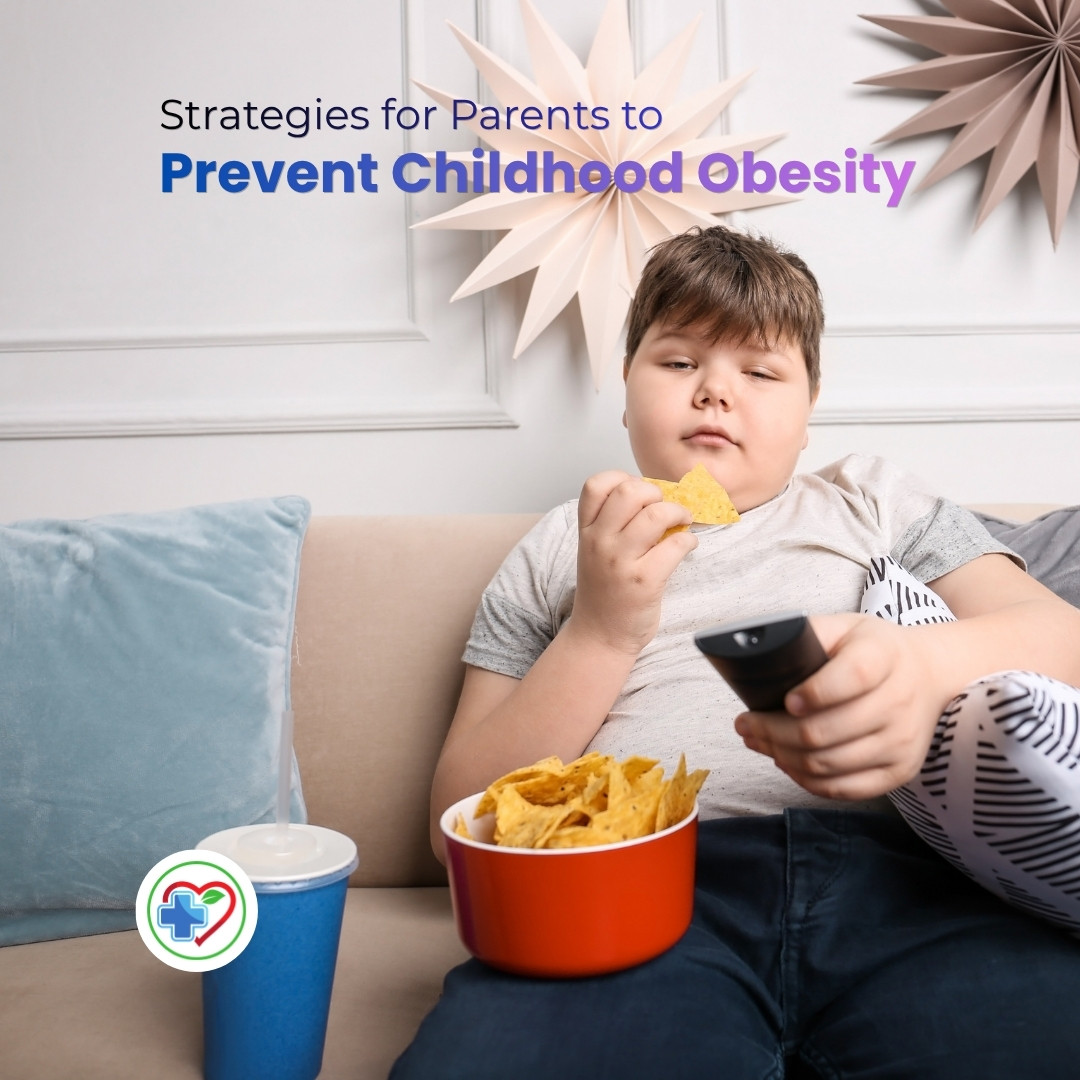
ToggleChildhood obesity has become one of the most important health challenges facing families today. More children are developing weight-related health problems at younger ages, increasing their risk of diabetes, high blood pressure, heart disease, and emotional difficulties later in life. The good news is that parents play a powerful role in helping children build healthy habits from an early age.
Preventing childhood obesity is not about strict dieting or unrealistic expectations. It is about creating a healthy lifestyle that the entire family can enjoy. Dr. Jolandi Meyer works with parents in Pretoria to promote healthy growth, balanced nutrition, and long-term wellbeing for children of all ages.
What Is Childhood Obesity?
Childhood obesity occurs when a child has excess body fat that may negatively affect their health. It is usually determined by measuring a child’s Body Mass Index, or BMI, while also considering their age and sex.
Children naturally grow at different rates, which is why a medical assessment is important before assuming a child is overweight.
Childhood obesity is associated with an increased risk of several health conditions, including:
- Type 2 diabetes
- High blood pressure
- High cholesterol
- Joint problems
- Sleep disorders
- Fatty liver disease
- Low self-esteem
- Anxiety and depression
Early intervention provides the best opportunity to improve long-term health outcomes.
Why Is Childhood Obesity Becoming More Common?
Modern lifestyles have changed significantly over the past few decades. Children now spend more time sitting indoors and have easier access to highly processed foods than ever before.
Several factors contribute to childhood obesity, including:
- Poor eating habits
- Large portion sizes
- Sugary drinks
- Frequent fast food meals
- Too much screen time
- Limited physical activity
- Lack of sleep
- Family lifestyle habits
- Genetic influences
In many cases, childhood obesity develops gradually over several years rather than appearing suddenly.
Recognising these contributing factors allows parents to make meaningful changes before weight becomes a serious health concern.
Build Healthy Eating Habits Early
Healthy eating habits begin during childhood and often continue into adulthood.
Parents can encourage healthier eating by:
- Offering regular family meals
- Providing a variety of vegetables and fruit
- Choosing wholegrain foods
- Including lean sources of protein
- Limiting highly processed snacks
- Encouraging water instead of sugary drinks
Children learn by observing adults. Parents who model healthy eating behaviours are more likely to raise children who make nutritious food choices themselves.
Healthy eating should focus on balance rather than restriction.

Encourage Daily Physical Activity
Physical activity is essential for healthy growth and development.
Children should have opportunities to move every day through activities they enjoy.
Examples include:
- Cycling
- Swimming
- Running
- Playing at the park
- Dancing
- Team sports
- Walking the family dog
Exercise should be enjoyable rather than viewed as punishment.
Family activities such as weekend walks or outdoor games help children associate movement with fun and strengthen family relationships at the same time.
Reduce Screen Time
Technology is part of modern life, but excessive screen time often replaces physical activity.
Long periods spent watching television, playing video games, or using mobile devices may contribute to weight gain.
Parents can help by:
- Setting daily screen time limits
- Encouraging outdoor play
- Keeping televisions out of bedrooms
- Creating screen-free family meals
- Planning active family activities
Reducing screen time also supports better sleep, improved concentration, and stronger family communication.
Teach Children About Healthy Food Choices
Children benefit from understanding why healthy foods matter.
Rather than labelling foods as “good” or “bad”, parents can teach children how different foods help their bodies.
For example:
- Fruit provides vitamins.
- Vegetables support growth.
- Protein helps build muscles.
- Wholegrains provide lasting energy.
- Dairy products support healthy bones.
Involving children in grocery shopping and meal preparation can increase their interest in healthy eating.
Education builds lifelong confidence around making nutritious food choices.
Make Healthy Living a Family Lifestyle
Children are more likely to succeed when the whole family adopts healthy habits together.
Instead of focusing on one child, families can:
- Eat meals together
- Cook at home more often
- Plan active weekends
- Limit sugary treats for everyone
- Celebrate healthy achievements together
Avoid placing a child on a restrictive diet unless recommended by a healthcare professional.
A supportive environment creates positive habits without making children feel singled out.

Prioritise Sleep
Many parents underestimate the relationship between sleep and healthy weight.
Children who regularly sleep too little may experience hormonal changes that increase hunger and reduce feelings of fullness.
Good sleep habits include:
- Consistent bedtimes
- Limiting screens before bed
- Creating a calm bedtime routine
- Maintaining a comfortable sleep environment
Adequate sleep supports healthy growth, learning, emotional wellbeing, and weight management.
Avoid Using Food as a Reward or Punishment
Food should never become a bargaining tool.
Using sweets as rewards or withholding favourite foods as punishment can create unhealthy emotional relationships with eating.
Instead, reward positive behaviour with experiences such as:
- Extra playtime
- Family outings
- Reading together
- Choosing a weekend activity
- Stickers or achievement charts
Helping children develop a healthy emotional relationship with food reduces the likelihood of emotional eating later in life.
Know When to Seek Medical Advice
Some children continue gaining weight despite healthy lifestyle changes. Others may have underlying medical conditions contributing to weight gain.
Parents should consider consulting a doctor if their child:
- Is gaining weight rapidly
- Has difficulty participating in physical activities
- Snores heavily during sleep
- Has persistent fatigue
- Shows signs of early diabetes
- Has high blood pressure
- Experiences emotional distress related to weight
Dr. Jolandi Meyer provides comprehensive health assessments, growth monitoring, nutritional guidance, and personalised support for families concerned about childhood obesity.
Early intervention often leads to better long-term outcomes while helping children develop healthy habits that last into adulthood.
Creating Healthy Habits That Last a Lifetime
Preventing childhood obesity is not about achieving a perfect weight. It is about helping children build healthy habits that support lifelong wellbeing.
Simple daily choices make a significant difference over time.
Healthy habits include:
- Eating balanced meals
- Staying physically active
- Drinking enough water
- Sleeping well
- Limiting sugary drinks
- Spending time outdoors
- Enjoying regular family meals
Children who grow up in supportive, healthy environments are more likely to become healthy adults.
Consistency is far more important than perfection.

Childhood obesity is a growing concern, but it is also one of the most preventable health conditions when families work together to build healthy habits from an early age. Small changes to nutrition, physical activity, sleep, and daily routines can make a lasting difference to a child’s health and confidence. Every family faces unique challenges, which is why personalised medical advice can be so valuable. Dr. Jolandi Meyer is committed to supporting parents in Pretoria with practical guidance, preventative healthcare, and regular growth monitoring to help children develop healthy lifestyles that benefit them throughout their lives.

Common Ailments Treated by Dr. Jolandi Meyer
Dr. Jolandi Meyer’s expertise and comprehensive treatment options make her an exceptional General Practitioner for addressing all ailments. She provides personalised care, empowering patients to achieve optimal health. Her compassionate approach ensures patients receive the highest quality treatment. Her practice is located in Garsfontein, Pretoria on the same premises as The Way Recovery Centre.
With her support and guidance, patients can embark on a journey towards improved well-being and a healthier, happier life.
Contact Details:
Table of Contents
Toggle