

Table of Contents
ToggleGout is often dismissed as a temporary joint problem caused by eating too much rich food. In reality, it is a form of inflammatory arthritis that can become increasingly painful and damaging without proper treatment. Repeated attacks may affect your mobility, sleep, work and overall quality of life. Gout can also provide an important warning about your kidney health and other medical risks. Understanding the condition and seeking help from a GP such as Dr Jolandi Meyer can prevent avoidable complications.
Gout Is More Than a Painful Joint
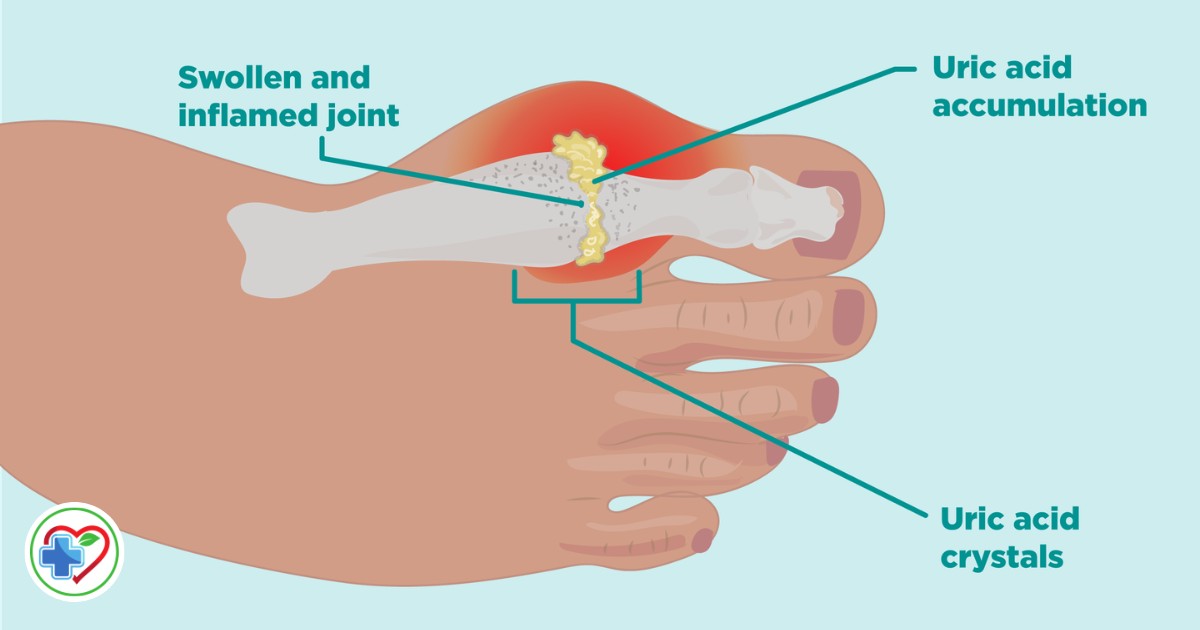
Gout is a type of arthritis caused by the accumulation of uric acid crystals in and around a joint. Uric acid is a waste product formed when the body breaks down substances called purines.
Purines occur naturally in the body and are also found in certain foods. Uric acid usually dissolves in the blood, passes through the kidneys and leaves the body in urine. Problems develop when the body produces too much uric acid or the kidneys cannot remove enough of it.
When uric acid levels remain high, sharp crystals can form inside a joint. The immune system reacts to these crystals, causing sudden inflammation, swelling, redness and severe pain.
The big toe is commonly affected, but gout can also develop in the:
- Ankles
- Knees
- Wrists
- Fingers
- Elbows
- Midfoot
A gout attack may settle after several days, but that does not mean the underlying condition has disappeared. Uric acid crystals may remain in the joint even after the pain has improved.
Gout Attacks Can Become More Frequent
A first gout attack may seem like an isolated incident. Some people go months or years without another episode. However, untreated gout often returns.
Future attacks may happen more frequently, last longer and affect additional joints. The pain can become intense enough to make walking, wearing shoes or allowing a bedsheet to touch the affected area difficult.
The period between attacks is sometimes called the intercritical stage. During this time, you may have no noticeable symptoms. It can be tempting to assume that no treatment is needed because the joint feels normal again.
However, the absence of pain does not always mean that uric acid levels have returned to a healthy range. Crystals can continue accumulating while you feel well. This is why a medical assessment is valuable after a suspected gout attack, even when the symptoms have already improved.
Early management may help reduce the frequency and severity of future flares.
Untreated Gout Can Damage Your Joints
Repeated inflammation can gradually damage the structures inside and around a joint. Over time, uncontrolled gout may lead to chronic gouty arthritis.
Chronic gout can cause ongoing pain, stiffness and swelling. The affected joint may lose some of its normal movement, making everyday activities increasingly difficult.
Depending on the joints involved, you may struggle to:
- Walk comfortably
- Climb stairs
- Exercise
- Drive
- Perform physical work
- Use your hands
- Prepare meals
- Complete household tasks
Joint damage caused by advanced gout may not be fully reversible. Preventing repeated attacks is therefore far better than waiting until movement becomes permanently limited.
A GP like Dr Jolandi Meyer can assess how often your attacks occur, which joints are affected and whether you may benefit from long-term uric acid management. She can also review your general health to identify factors that may be contributing to the condition.
Tophi May Develop Under the Skin
Long-standing gout can cause deposits of uric acid crystals known as tophi. These deposits form firm lumps under the skin and may appear around the fingers, toes, elbows, knees, feet or outer edges of the ears.
Tophi may initially be small and painless. As they grow, they can become uncomfortable, restrict joint movement and affect the appearance of the affected area.
Large tophi can place pressure on nearby tissues. In severe cases, the skin covering a tophus may become thin, inflamed or damaged. A chalky substance may occasionally drain from the lump, increasing the risk of infection.
The development of tophi usually indicates that uric acid levels have remained high for a considerable period. With appropriate long-term treatment, existing tophi may gradually shrink and new ones may be prevented.
Any unexplained lump near a joint should be examined by a healthcare professional. It should not automatically be assumed to be gout, as other conditions can cause similar swellings.
Gout Can Be Connected to Kidney Problems
The kidneys play a central role in removing uric acid from the body. When kidney function is reduced, uric acid may accumulate in the blood. At the same time, persistently high uric acid levels can contribute to problems within the urinary system.
People with gout may have an increased risk of uric acid kidney stones. These stones can cause severe pain in the side or back, nausea, vomiting, blood in the urine and difficulty passing urine.
Gout is also commonly seen alongside chronic kidney disease. This relationship can complicate treatment because some medicines may require adjusted doses when kidney function is impaired.
A proper gout assessment may include blood tests to measure uric acid and kidney function. Urine tests or further investigations may be recommended when kidney stones or another urinary problem are suspected.
Regular medical follow-up is particularly important if you already have kidney disease, diabetes or high blood pressure.
Gout May Highlight Other Health Risks
Gout often occurs alongside other medical conditions. It does not necessarily cause every one of these problems, but its presence can be a reason to assess your wider health.
Conditions commonly associated with gout include:
- High blood pressure
- High cholesterol
- Obesity
- Insulin resistance
- Type 2 diabetes
- Kidney disease
- Cardiovascular disease
- Metabolic syndrome
Some of these conditions may be present without obvious symptoms. You could have elevated blood pressure, abnormal cholesterol or early diabetes without feeling unwell.
A gout consultation offers an opportunity to look beyond the painful joint. Dr Jolandi Meyer can review your medical history, current medication, blood pressure, weight and relevant blood test results.
Identifying additional risks early allows you to take practical steps to protect your long-term health. These may include dietary changes, gradual weight loss, increased physical activity when the flare has settled and appropriate medical treatment.
Sudden Joint Pain Is Not Always Gout
A red, hot and swollen joint should never be ignored or diagnosed at home based on appearance alone. Several medical conditions can produce symptoms that resemble gout.
One serious possibility is septic arthritis, which occurs when a joint becomes infected. This condition requires urgent treatment because the infection can quickly damage the joint and may spread through the body.
Other possible causes include:
- An injury
- Cellulitis
- Rheumatoid arthritis
- Osteoarthritis
- Reactive arthritis
- Pseudogout
- Bursitis
Seek urgent medical attention if the joint pain is accompanied by fever, chills, confusion, severe weakness or rapidly worsening swelling. You should also seek prompt care if you have recently undergone joint surgery, have a weakened immune system or feel generally unwell.
A doctor may diagnose gout based on your symptoms, examination and medical history. Blood tests can support the assessment. In uncertain cases, fluid may need to be taken from the joint and examined for crystals or infection.

Food Is Only Part of the Gout Picture
Gout has traditionally been associated with overindulgence, but this view is overly simplistic and can make people feel blamed for their condition.
Diet can influence uric acid levels and trigger attacks in some people. However, genetics, kidney function, age, body weight, medication and other health conditions can all contribute.
Foods and drinks that may increase gout risk include:
- Organ meats
- Large portions of red meat
- Certain seafoods
- Beer
- Spirits
- Sugar-sweetened drinks
- Products containing large amounts of fructose
Dehydration, crash dieting and rapid weight loss may also trigger attacks. Some people notice that an attack follows an illness, surgery, injury or period of heavy alcohol consumption.
Dietary changes can support gout management, but a highly restrictive eating plan is not always necessary or sustainable. It is usually more helpful to focus on balanced portions, adequate hydration, gradual weight management and limiting personal triggers.
People should not stop nutritious foods or essential medication without professional advice.
Some Medicines Can Affect Uric Acid Levels
Certain medicines can raise uric acid levels or make it harder for the kidneys to remove uric acid. Diuretics, sometimes called water tablets, are a common example. These medicines are frequently prescribed for high blood pressure, heart failure and fluid retention.
Low-dose aspirin and some medicines used after organ transplantation may also affect uric acid levels. However, this does not mean that you should stop taking them.
Suddenly discontinuing medication prescribed for a heart condition, blood pressure or another chronic illness could be dangerous. A healthcare professional must weigh the benefits and risks before making any changes.
During a gout consultation, tell your doctor about every medicine and supplement you use. This includes over-the-counter painkillers, herbal products and medication prescribed by another healthcare provider.
Dr Jolandi Meyer can review your treatment and determine whether a medicine may be contributing to gout. If necessary, she can discuss safer adjustments or coordinate care with the relevant specialist.
Effective Treatment Can Prevent Future Complications
Treatment for gout has two main goals. The first is to control pain and inflammation during an acute attack. The second is to reduce uric acid levels over the long term when this is medically appropriate.
Treatment for a flare may include anti-inflammatory medication, colchicine or corticosteroids. The most suitable option depends on your health, kidney function, other medication and risk of side effects.
Long-term uric acid-lowering medication may be considered if you have repeated or troublesome attacks, tophi, joint damage, kidney disease or other important risk factors. Allopurinol is one commonly prescribed option. Treatment must be selected and monitored by a doctor.
Long-term gout management may involve:
- Taking prescribed medicine consistently
- Monitoring uric acid levels
- Attending follow-up appointments
- Drinking enough water
- Limiting excessive alcohol
- Managing weight gradually
- Reviewing possible food triggers
- Controlling blood pressure and blood sugar
- Protecting kidney health
- Reporting medication side effects promptly
Uric acid-lowering medicine should not be stopped simply because you have not had a recent flare. Staying consistent helps reduce crystal deposits and prevent future attacks.
Dr Jolandi Meyer can develop a personalised plan based on your symptoms, test results, existing conditions and lifestyle. This offers a more reliable approach than repeatedly treating the pain without addressing its cause.
How Dr Jolandi Meyer Can Help
Dr Jolandi Meyer is a GP in Pretoria who can assess sudden joint pain, investigate possible gout, and develop a treatment plan suited to your health needs.
Your consultation may include a detailed medical history, examination, blood tests, medication review, and assessment of related conditions. Dr Meyer can help identify factors that may be contributing to raised uric acid, such as kidney problems, dehydration, weight, diet, alcohol use, or certain medicines.
If gout is confirmed, she can provide guidance on managing the current attack and reducing the risk of future episodes. This may include suitable medication, uric acid monitoring, practical lifestyle changes, and follow-up care.
Dr Meyer can also monitor your kidney function and screen for health concerns that commonly occur alongside gout, including high blood pressure, diabetes, high cholesterol, and excess weight.
Managing gout is rarely about following one rigid diet. It requires an individual plan that considers your symptoms, test results, medical conditions, and daily routine. If specialist assessment is needed, Dr Meyer can arrange an appropriate referral.
Contact Dr Jolandi Meyer’s Pretoria practice if you are experiencing your first suspected gout attack, repeated attacks, unusual joint swelling, or symptoms that are becoming harder to control.

Gout should never be treated as an occasional inconvenience that simply needs painkillers and rest. Without proper management, attacks can become more frequent and may lead to joint damage, tophi, kidney stones and reduced mobility. Gout may also highlight other health concerns that deserve attention.
If you have experienced a red, swollen or intensely painful joint, arrange a consultation with Dr Jolandi Meyer in Pretoria. Early diagnosis, appropriate treatment and regular monitoring can help you control gout and protect your health.

Common Ailments Treated by Dr. Jolandi Meyer
Dr. Jolandi Meyer’s expertise and comprehensive treatment options make her an exceptional General Practitioner for addressing all ailments. She provides personalised care, empowering patients to achieve optimal health. Her compassionate approach ensures patients receive the highest quality treatment. Her practice is located in Garsfontein, Pretoria on the same premises as The Way Recovery Centre.
With her support and guidance, patients can embark on a journey towards improved well-being and a healthier, happier life.
Contact Details:
Table of Contents
Toggle