
Table of Contents
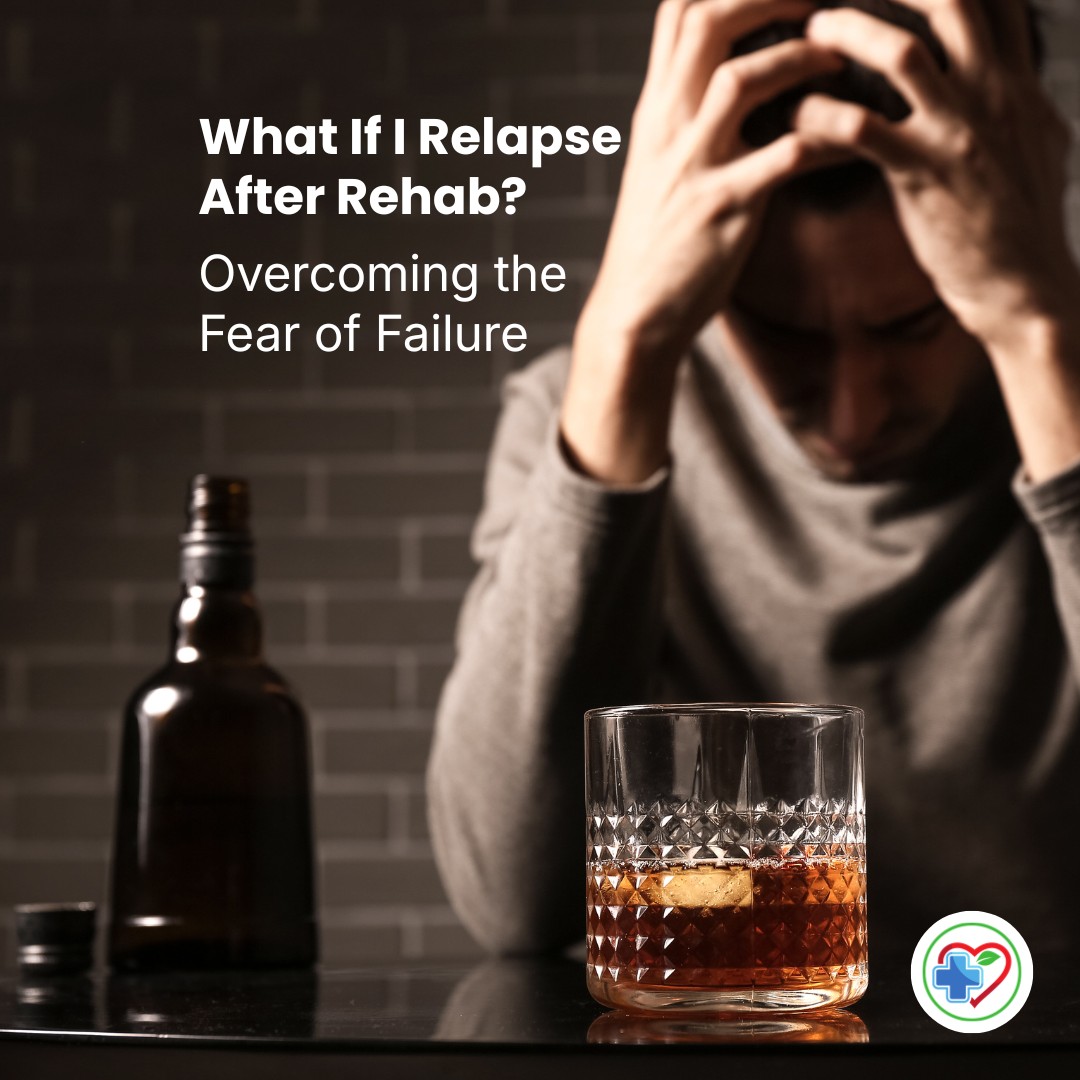
ToggleCompleting a rehabilitation programme is a huge achievement, but for many people, leaving rehab brings a new worry. One question often overshadows the excitement of starting a new chapter, “What if I relapse after rehab?”
This fear is far more common than most people realise. Many individuals worry that one mistake will erase all their progress or that a relapse means they have failed. These thoughts can create unnecessary anxiety and may even prevent some people from seeking treatment in the first place.
The truth is that addiction recovery is a journey, not a single event. Like many chronic health conditions, recovery can involve setbacks, challenges, and periods of adjustment. A relapse does not mean treatment failed or that recovery is impossible. Instead, it signals that additional support or adjustments may be needed.
At Dr Jolandi Meyer’s practice in Pretoria, located on the premises of The Way Recovery Centre, patients receive ongoing medical care that supports recovery long after detox and rehabilitation have ended.
What Does Relapse After Rehab Mean?
Relapse after rehab refers to returning to alcohol, drugs, or other addictive behaviours after a period of recovery.
Many people mistakenly believe relapse happens suddenly, but in reality, it is often a gradual process that develops over time.
Recovery professionals generally recognise several stages before physical substance use occurs. These may include emotional struggles, changes in thinking, increasing isolation, neglecting healthy routines, and eventually returning to substance use.
Recognising these early warning signs allows intervention before a full relapse develops.
Understanding this process helps remove shame and encourages people to seek help sooner.
Relapse Does Not Mean Failure
Perhaps the biggest misconception about addiction recovery is that relapse equals failure.
Imagine someone living with diabetes whose blood sugar becomes unstable or someone with asthma who experiences another attack. These situations do not mean treatment has failed. Instead, they indicate that further medical care and adjustments are needed.
Addiction should be viewed in much the same way.
Recovery is about learning healthier coping strategies, rebuilding physical health, improving emotional resilience, and creating lasting lifestyle changes. These skills take time to develop.
A relapse may provide valuable information about what additional support is needed moving forward.
Why People Fear Relapse So Much
The fear of relapse often comes from feelings of guilt and shame.
People may worry about:
- Disappointing their family
- Losing trust
- Feeling embarrassed
- Being judged by others
- Returning to old habits
- Losing everything they have worked for
These fears can become overwhelming.
Ironically, excessive anxiety about relapse may increase stress levels, making recovery more difficult.
Open conversations with healthcare professionals help replace fear with practical strategies and realistic expectations.
Common Triggers for Relapse After Rehab
Recovery involves learning to identify situations that increase the risk of relapse.
Common triggers include:
- High levels of stress
- Anxiety
- Depression
- Unresolved trauma
- Loneliness
- Conflict with family
- Financial pressure
- Relationship problems
- Returning to old social circles
- Exposure to alcohol or drugs
- Celebrations involving substance use
- Poor sleep
- Physical illness
Everyone’s triggers are different.
Understanding personal triggers is one of the most important parts of relapse prevention.

Emotional Relapse Often Comes First
Many people believe relapse begins when someone drinks alcohol or uses drugs again.
In reality, emotional relapse usually starts much earlier.
Warning signs may include:
- Bottling up emotions
- Increased stress
- Poor self-care
- Isolation
- Missing support meetings
- Poor eating habits
- Lack of sleep
- Irritability
These changes may seem minor at first, but they gradually increase vulnerability.
Recognising emotional relapse early allows people to reconnect with healthy routines before the situation worsens.
Mental Relapse Can Be Difficult to Recognise
Mental relapse often involves an internal struggle.
Part of the person wants to remain sober, while another part begins remembering only the positive aspects of substance use.
Common signs include:
- Romanticising past substance use
- Thinking “just once won’t hurt”
- Bargaining with yourself
- Planning opportunities to use
- Contacting old friends associated with addiction
- Ignoring healthy routines
- Feeling overconfident about recovery
These thoughts do not mean someone has failed.
They simply indicate that additional support may be needed.
Discussing these thoughts openly with a healthcare professional often prevents them from progressing further.
Physical Relapse Is Only One Part of the Story
Physical relapse refers to actually returning to alcohol or drug use.
Although this can feel devastating, it does not erase the progress already made.
Many people mistakenly believe that one lapse means there is no point continuing recovery.
This all-or-nothing thinking can quickly turn a single episode into weeks or months of continued substance use.
Instead, the healthiest response is to seek help immediately.
The sooner support is received, the easier it often becomes to regain stability.

What Should You Do If You Relapse?
The most important thing is not to hide it.
Feelings of shame often prevent people from asking for help, allowing the relapse to continue.
Instead:
- Contact your doctor.
- Reach out to your counsellor.
- Inform your support network.
- Speak honestly about what happened.
- Return to healthy routines.
- Avoid self-criticism.
- Review your relapse prevention plan.
Every relapse offers an opportunity to learn more about the challenges affecting recovery.
Seeking help quickly can prevent a temporary setback from becoming a prolonged return to addiction.
The Importance of Ongoing Aftercare
Recovery does not end when rehabilitation finishes.
Aftercare plays a vital role in maintaining long-term sobriety.
Aftercare may include:
- Medical follow-up appointments
- Individual counselling
- Group therapy
- Family support
- Relapse prevention sessions
- Healthy lifestyle planning
- Nutritional guidance
- Mental health treatment
Ongoing support helps individuals manage new challenges as they arise while reinforcing healthy coping skills.
Looking After Your Physical Health Supports Recovery
Physical wellbeing and emotional wellbeing are closely connected.
Simple daily habits can strengthen recovery considerably.
Helpful habits include:
- Eating balanced meals
- Drinking enough water
- Exercising regularly
- Sleeping consistently
- Managing stress
- Taking prescribed medication correctly
- Attending medical appointments
As physical health improves, many people experience better concentration, improved mood, greater energy, and stronger emotional resilience.

For information on our 28-day in-patient programme with professional qualified medical detox from addiction and a platform of different approaches to addicts suffering from long-term gambling, alcohol and/or drug addiction, get in touch with Dr. Jolandi Meyer at The Way Recovery – Gambling, Drug & Alcohol Abuse Treatment Facility in Pretoria. A six-week outpatient programme with individual counselling, group therapy, and family support is also available from The Way Recovery.
The Way Recovery Halfway House in Pretoria offers a reintegration, aftercare programme to aid the addict who has finished a detox programme in adjusting to society for the recovering addict who still struggles.
Building a Strong Support Network
Recovery is rarely successful in isolation.
Support from trusted people provides encouragement during difficult moments.
A healthy support network may include:
- Family members
- Trusted friends
- Medical professionals
- Counsellors
- Recovery groups
- Peer mentors
Surrounding yourself with people who understand your recovery goals makes it easier to stay motivated and seek help when challenges arise.
Learning From Setbacks Instead of Fearing Them
Every recovery journey is unique.
Some individuals maintain sobriety immediately after treatment, while others experience setbacks before achieving lasting recovery.
Rather than asking, “Why did I fail?”, it is often more helpful to ask:
- What triggered this situation?
- What warning signs did I miss?
- What support do I need now?
- How can I strengthen my recovery plan?
This mindset encourages growth instead of guilt.
Recovery becomes stronger when people learn from challenges rather than allowing them to define the future.
How Dr Jolandi Meyer and The Way Recovery Centre Can Help
Long-term recovery requires more than detox alone.
Dr Jolandi Meyer works closely with the team at The Way Recovery Centre in Pretoria to provide comprehensive medical care that supports patients throughout every stage of recovery.
Medical monitoring, physical health assessments, withdrawal management, mental health support, relapse prevention planning, and ongoing follow-up all contribute to sustainable recovery.
If a relapse does occur, patients receive compassionate, professional care without judgement.
The focus remains on understanding what happened, addressing any underlying medical or psychological concerns, and helping individuals regain confidence in their recovery journey.
Recovery is never about perfection. It is about continuing to move forward, even after difficult moments.
The fear of relapse after rehab is completely understandable, but it should never prevent someone from seeking treatment. Addiction recovery is a lifelong journey that involves learning, growth, and ongoing support. A relapse does not erase the progress already made, nor does it mean recovery is no longer possible. It simply highlights areas where additional help may be beneficial.
If you are worried about relapse after rehab, remember that you do not have to face recovery alone. Dr Jolandi Meyer, together with the team at The Way Recovery Centre in Pretoria, provides medical care and ongoing support to help individuals build lasting recovery. With the right guidance, every setback can become another step towards a healthier, substance-free future.

Common Ailments Treated by Dr. Jolandi Meyer
Dr. Jolandi Meyer’s expertise and comprehensive treatment options make her an exceptional General Practitioner for addressing all ailments. She provides personalised care, empowering patients to achieve optimal health. Her compassionate approach ensures patients receive the highest quality treatment. Her practice is located in Garsfontein, Pretoria on the same premises as The Way Recovery Centre.
With her support and guidance, patients can embark on a journey towards improved well-being and a healthier, happier life.
Contact Details:
Table of Contents
Toggle